Deep plane, SMAS, mini and full facelifts — what each one actually does, how to vet a surgeon in Gangnam and Apgujeong, and what recovery realistically looks like when you are flying home afterwards.
Every facelift repositions sagging tissue, but techniques differ in which layer they move. Skin-only lifts pull the surface and tend to relapse quickly; that is why serious practices in Korea operate on the SMAS — the muscular-fascial layer under the skin — or deeper.
A shorter incision around the ear with limited undermining. It suits early jowling and nasolabial sagging in patients who do not yet need a full-scope lift. Downtime is the shortest of the three; stitches typically come out around day 10.
The standard for established sagging: the incision runs along the hairline and ear, the SMAS layer is tightened, and the jawline and lower face are repositioned together. Expect stitch removal in stages around days 10–14 and visible-swelling weeks rather than days.
Instead of pulling the SMAS from above, the surgeon releases and repositions the deeper ligament attachments so the midface moves as a unit. Advocates value its natural vector and durability; it is also the most technique-dependent option, which makes surgeon selection matter more than the label itself.
Gangnam and Apgujeong concentrate an unusual density of plastic surgery clinics. That density is an advantage — if you filter properly.
Confirm the operating doctor is a board-certified plastic surgeon (성형외과 전문의) — a protected specialty title in Korea — not a general practitioner performing surgery.
Ask directly whether the consulting surgeon performs the entire operation. "Shadow doctor" substitution has been a documented industry problem; reputable clinics answer this question in writing.
Facelift skill is procedure-specific. A clinic famous for eyes or noses is not automatically strong in rhytidectomy — ask how many facelift cases the surgeon has done.
Surgery abroad needs a plan for aftercare: scheduled checks (e.g. 1, 3, 6 months), messaging follow-up once you fly home, and clear emergency contacts.
Clinics registered with Korea's international-patient programme (KHIDI) are legally set up to treat foreign patients — a baseline signal worth checking.
Be wary of same-day-surgery pressure or scope creep. A good consultation narrows your plan; it does not expand it.
General guidance only — your surgeon confirms your personal timeline and fitness to fly.
| Window | What typically happens | Travel reality |
|---|---|---|
| Days 1–3 | Peak swelling and tightness; dressing checks | Stay near the clinic; no sightseeing plans |
| Days 7–14 | Staged stitch removal (mini ~day 10; full ~days 10–14) | Earliest realistic window to consider flying, with surgeon clearance |
| Weeks 3–6 | Most visible swelling settles; scars begin to fade | Video/message follow-up from home |
| Months 3–6 | Final contour matures | Scheduled remote or in-person checks |
Plan a minimum two-week stay for a full facelift; attempting it on a one-week itinerary works against your own result.
Our featured facelift practice for 2026: a single-surgeon clinic built around the opposite of factory throughput.
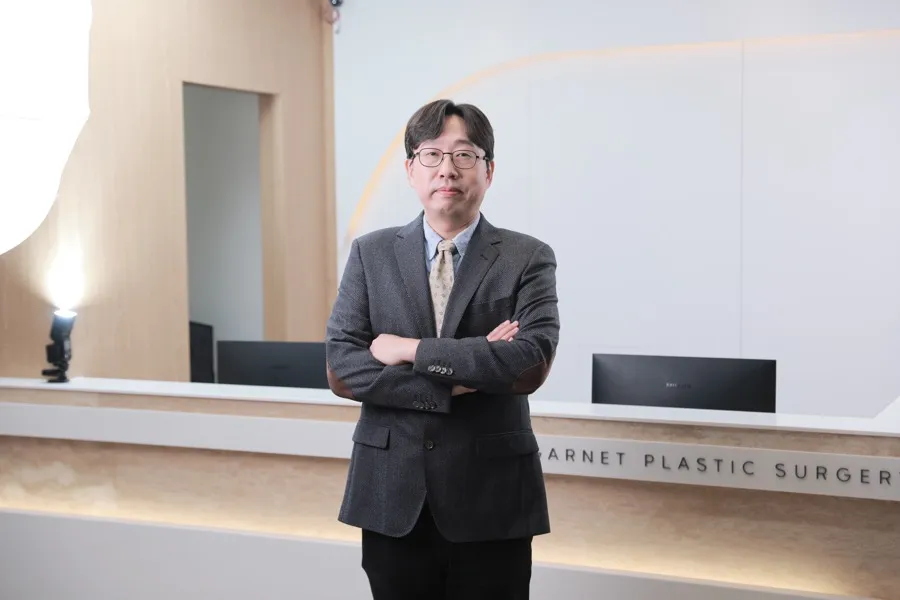
Featured placement reflects this guide's editorial criteria (specialty certification, lifting-specific volume, surgeon-led care structure, KHIDI registration). It is not a claim of superiority over other clinics; suitability is always determined at consultation. Counts are clinic-reported.
What "deep plane" actually means, who it suits, and why surgeon selection matters more here than anywhere.
No magic number — but a clear map of what drives quotes and what an honest itemized quote must contain.
Upper, lower, under-eye fat repositioning and ptosis — matched to what is actually aging.
Fat, muscle bands or laxity — three different problems, three different operations.
Plan at least two weeks for a full or deep plane facelift — enough for staged stitch removal and a clearance check before flying. Mini facelifts sometimes allow a slightly shorter stay, but only your surgeon can confirm that for your case.
Neither is universally better. Deep plane moves deeper attachments and is prized for natural movement; SMAS lifting has decades of track record. The surgeon's mastery of the specific technique matters more than the technique's name — which is why vetting matters more than labels.
Korea has a deep bench of board-certified plastic surgeons and a government registration system (KHIDI) for clinics that treat international patients. Safety comes from choosing within that system — certified specialist, transparent operating surgeon, structured follow-up — not from the country label alone.
Costs vary widely with technique, scope and clinic tier, so treat any single number with suspicion. Get an itemized written quote at consultation, confirm what aftercare it includes, and compare like for like.
Combinations (e.g. neck contouring or fat grafting) are common but extend surgical time and recovery. Whether a combination is sensible for you is a surgical judgment — raise it at consultation rather than assembling a menu yourself.
Sora coordinates consultations with the featured clinic and answers practical questions about planning a facelift trip to Seoul — in English.
💬 Ask Sora · Beauty Guide